WIDES organizes therapeutic options according to their mechanisms of action, allowing interventions to be selected, combined and sequenced according to each patient’s diagnostic profile.
Find a Treatment
Light-Based Therapies
Light-based therapies use selected wavelengths or controlled light pulses to target vascular, inflammatory and cellular mechanisms involved in dry eye disease and meibomian gland dysfunction. They include technologies such as Intense Pulsed Light (IPL) and Photobiomodulation (PBM), which act through different but potentially complementary mechanisms.
- Intense Pulsed Light (IPL)
- Photobiomodulation (PBM)
- Other low-level light therapies when applicable
Electrical Therapies
Electrical therapies use controlled electrical currents to modulate biological and tissue responses involved in dry eye disease. Technologies such as QMR and JETT Electrical Biomodulation can be integrated into a multimodal strategy according to the mechanisms identified in each patient.
- Quantum Molecular Resonance (QMR)
- JETT
- Radiofrequency
Thermal Therapies
Thermal therapies use controlled heating to improve meibum fluidity and facilitate meibomian gland function. Depending on the technology, thermal energy may be delivered alone or combined with pressure, pulsation or subsequent meibomian gland expression.
- Thermal pulsation
- Controlled eyelid heating
- Heat-assisted gland expression
Pharmacological Therapies
Pharmacological therapies remain an essential component of dry eye management and should be selected according to the underlying tear-film, inflammatory and ocular surface abnormalities. Lubricants, anti-inflammatory agents, immunomodulators and other targeted treatments can complement interventional procedures within a personalized strategy.
Mechanical Therapies
Mechanical and lid-based therapies act directly on meibomian gland obstruction, retained meibum and eyelid margin abnormalities. Meibomian gland expression and lid margin debridement can be used independently or in combination with light-based, electrical or thermal treatments when several mechanisms coexist.
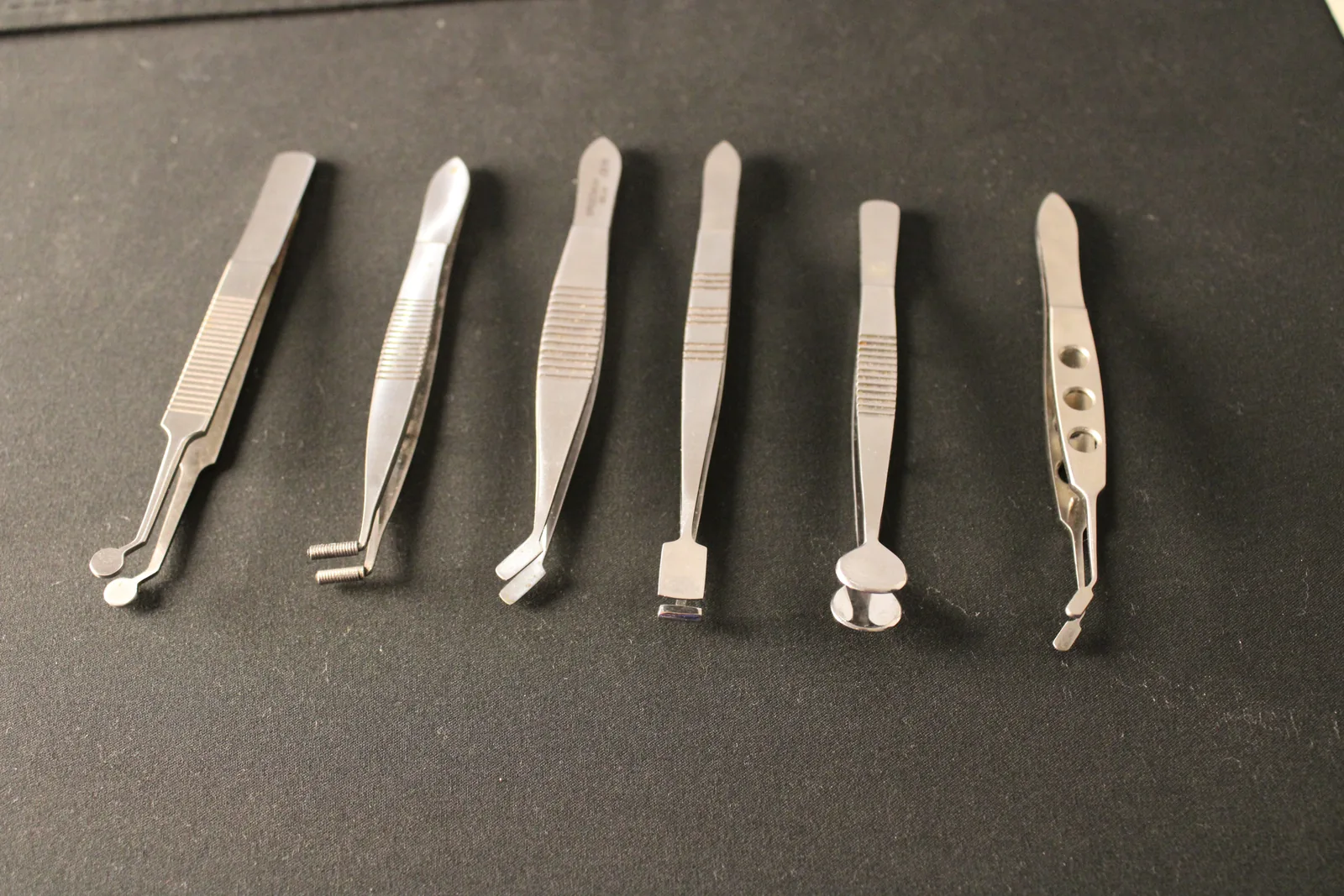
Meibomian gland expression
Mechanical evacuation of obstructed meibomian glands.
Controlled gland expression allows direct evacuation of retained or altered meibum.
It can provide both diagnostic and therapeutic information and is particularly relevant when gland obstruction and impaired meibum flow represent major components of the disease.
Lid margin debridement
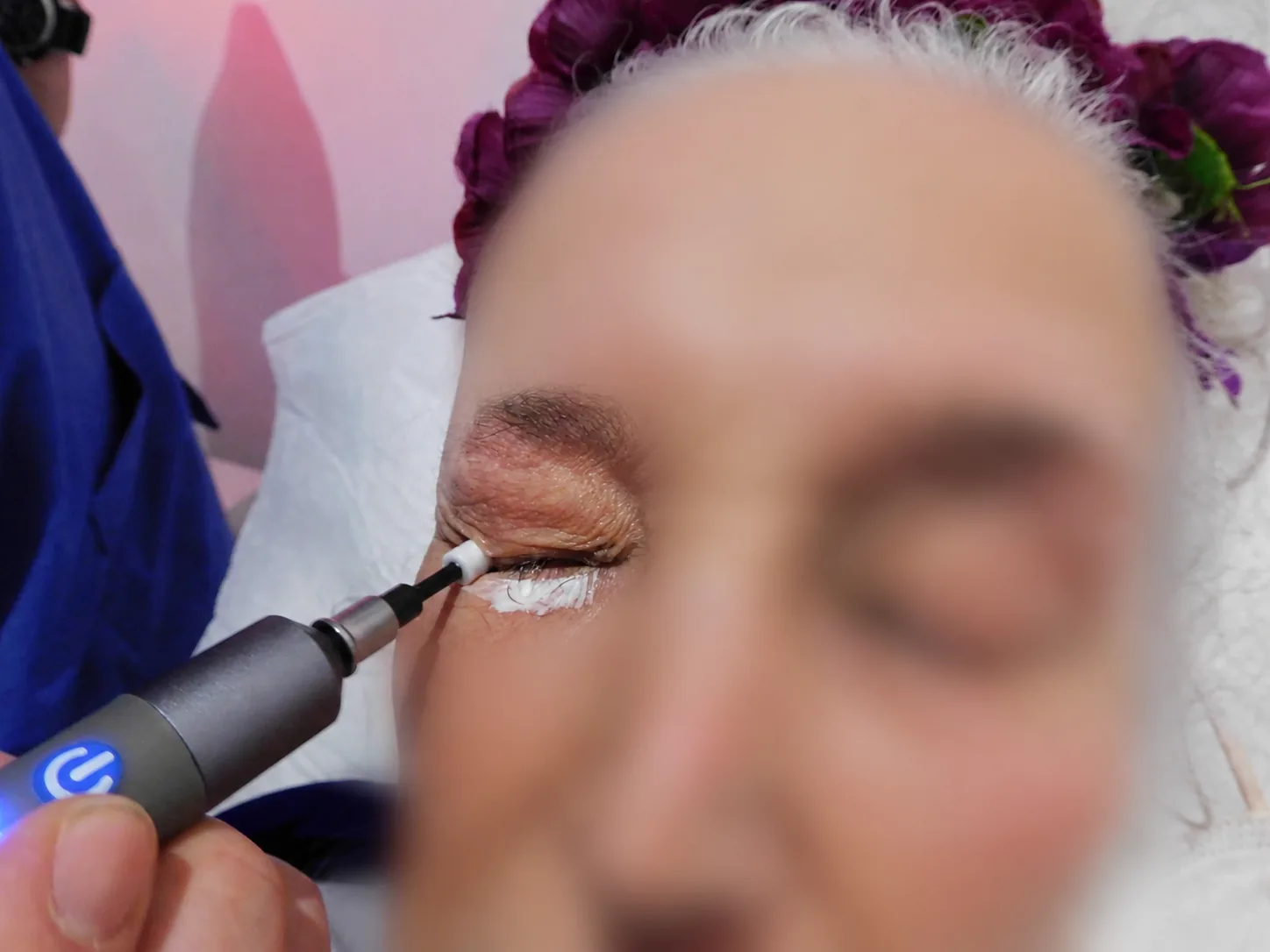
Mechanical management of lid-margin debris, biofilm, and anterior blepharitis.
Lid-margin debridement aims to remove accumulated debris, keratinized material, biofilm, and other factors that may contribute to inflammation and meibomian gland dysfunction.
Complementary, Supportive & Regenerative Therapies
Interventional treatments should be integrated with conventional medical, supportive and regenerative therapies whenever indicated.
Topical and pharmacological therapies
- Artificial tears and lubricants
- Lipid-based tear substitutes
- Anti-inflammatory agents
- Immunomodulators
- Secretagogues
- Mucin-related therapies
- Anti-allergic therapies
- Anti-infective treatments
Tear retention strategies
- Punctal plugs
- Intracanalicular devices
- Thermal punctal occlusion
- Surgical punctal occlusion
Advanced ocular surface support
- Scleral lenses
- Therapeutic soft contact lenses / bandage contact lenses
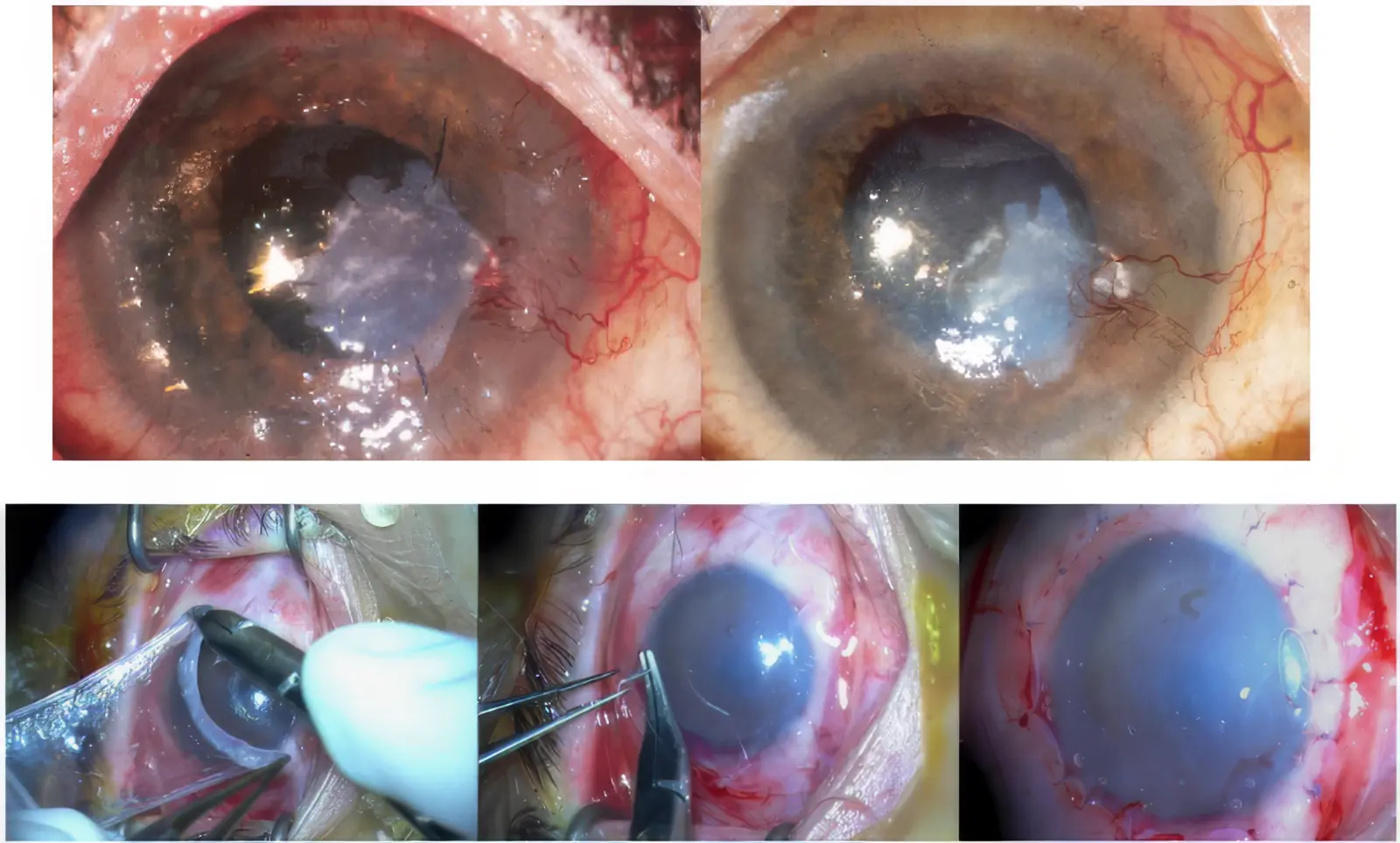
- Amniotic membrane transplantation
- Self-retained amniotic membrane devices
- Protective ocular surface strategies in severe exposure or epithelial compromise
Regenerative therapies
- Autologous serum eye drops
- PRP / PRGF and other blood-derived biologics
- Allogeneic serum and cord blood-derived products
- Cenegermin and other neuro-regenerative therapies
- Amniotic-derived regenerative therapies
- Topical insulin and other epithelial healing agents
- Extracellular matrix regenerating therapies
- Stem-cell-derived and extracellular vesicle therapies
Dry eye treatment should be mechanism-based, personalized and multimodal.
Accurate diagnosis determines the most appropriate combination and sequence of interventions.
Device and trade names are cited for scientific description only and remain the property of their respective manufacturers. Availability varies by country.