Photobiomodulation (PBM), also referred to as Low-Level Light Therapy (LLLT), uses non-thermal light at selected wavelengths to influence cellular metabolism and biological signaling.
In ophthalmology, PBM is increasingly used as an adjunctive treatment for dry eye disease (DED), particularly when meibomian gland dysfunction, chronic inflammation, and ocular surface stress contribute to the clinical picture.
Unlike IPL, which primarily targets vascular and inflammatory components through intense pulsed light, PBM delivers low-intensity continuous or pulsed light designed to produce photochemical rather than photothermal effects.
How photobiomodulation works
PBM acts primarily through the interaction of light with cellular photoacceptors.
Red and near-infrared wavelengths can be absorbed by mitochondrial chromophores, particularly components of the respiratory chain such as cytochrome c oxidase.
This interaction may influence:
- mitochondrial activity;
- ATP production;
- cellular metabolism;
- nitric oxide signaling;
- oxidative stress;
- inflammatory pathways;
- cellular recovery and tissue homeostasis.
The objective is not to heat or destroy tissue, but to modulate cellular function through controlled light exposure.
PBM does not rely on tissue destruction or intense heating. Its principal effect is photochemical cellular modulation.
Why PBM may be useful in dry eye disease
Dry eye disease is associated with a complex interaction between tear-film instability, inflammation, epithelial stress, meibomian gland dysfunction, and altered cellular homeostasis.
PBM may provide a complementary therapeutic approach by acting on some of these cellular and inflammatory mechanisms.
Clinical studies have reported improvements in parameters such as:
- dry eye symptoms;
- meibum expressibility;
- meibomian gland function;
- tear-film stability;
- ocular surface inflammation.
A recent randomized paired-eye trial found improvement in symptoms and meibum expressibility with low-level light therapy, supporting its potential role as an adjunctive treatment for MGD-related DED.
PBM and meibomian gland dysfunction
PBM should not be considered simply as another heating treatment.
Although some devices may produce a mild thermal component, its biological rationale is primarily based on photobiomodulation of cellular activity.
In patients with MGD, PBM may complement treatments directed more specifically at:
- Gland obstruction
- Abnormal meibum
- Vascular inflammation
- Lid-margin disease
It may therefore be particularly useful as part of a combined protocol rather than as an isolated intervention.
PBM within the Interventional Dry Eye Concept
Within the WIDES approach, PBM is considered a complementary cellular-modulation technology.
Its mechanism differs from other major interventional modalities:
- IPL vascular and inflammatory targeting
- QMR low-intensity electrical biological effects
- JETT plasma effect or low-intensity electrical membrane modulation depending on the applicator
- Radiofrequency / Thermal Therapies controlled heating and improvement of meibum flow
- Meibomian Gland Expression mechanical evacuation of obstructed glands
- PBM photochemical modulation of cellular metabolism and inflammatory pathways
These different mechanisms explain why PBM may be integrated into a multimodal therapeutic sequence according to the patient’s pathophysiological profile.
Clinical indications
Within a multimodal dry eye strategy, PBM may be considered particularly in patients with:
- MGD-related dry eye disease;
- chronic evaporative DED;
- persistent ocular surface inflammation;
- altered meibomian gland function;
- poor meibum expressibility;
- mixed-mechanism dry eye;
- patients requiring a non-invasive adjunctive therapy.
Patient selection should remain based on the complete diagnostic evaluation rather than on a single sign or symptom.
PBM alone or in combination?
PBM can be used alone, but its greatest interest within Interventional Dry Eye may lie in its compatibility with other treatment modalities.
It may be combined or sequenced with:
- Intense Pulsed Light;
- meibomian gland expression;
- thermal therapies;
- QMR;
- JETT;
- lid-margin treatment;
- lubricants and pharmacological therapies.
A 2025 randomized study comparing LLLT alone with IPL + LLLT found clinical improvements with both approaches, while suggesting that the combined treatment may produce additional biological effects.
PBM is not intended to replace other interventional technologies. It adds a cellular-modulation component to the multimodal treatment strategy.
Treatment protocol
PBM treatment protocols vary considerably according to the device used.
Important parameters include:
- wavelength;
- irradiance;
- delivered energy;
- treatment duration;
- continuous or pulsed emission;
- distance from the tissues;
- number and frequency of sessions.
For this reason, PBM should not be considered a single standardized treatment.
The biological effect depends on the combination of wavelength, dose, exposure time, and tissue characteristics.
Treatment should therefore follow device-specific protocols and be individualized according to the clinical indication.
Clinical evidence
Photobiomodulation is included among the device-based approaches reviewed in TFOS DEWS III Management and Therapy for the treatment of dry eye disease and meibomian gland dysfunction.
The available literature suggests potential benefits for symptoms, meibomian gland function, and tear-film parameters.
However, compared with more extensively studied treatments such as IPL, the clinical evidence for PBM remains more limited and heterogeneous, particularly because devices, wavelengths, doses, and treatment protocols differ substantially between studies.
Further randomized controlled trials are required to define:
- optimal wavelengths;
- optimal energy doses;
- treatment frequency;
- patient selection;
- durability of the therapeutic effect;
- the most effective combination strategies.
Safety
PBM is generally considered a non-invasive and well-tolerated treatment when used according to appropriate ophthalmic protocols.
Because different systems use different wavelengths and energy levels, ocular protection and treatment precautions should always follow the manufacturer’s specifications.
Particular attention should be paid to direct ocular exposure whenever the device has not been specifically designed for ophthalmic application.
Examples of photobiomodulation systems
Several PBM systems are currently available for ophthalmic or periocular use.
Their design varies considerably, ranging from dedicated facial masks to systems delivering light more specifically to the periocular region.
The clinical effect of one PBM device should therefore not automatically be extrapolated to every other system, since wavelength, power, delivered energy, treatment geometry, and protocol may differ.
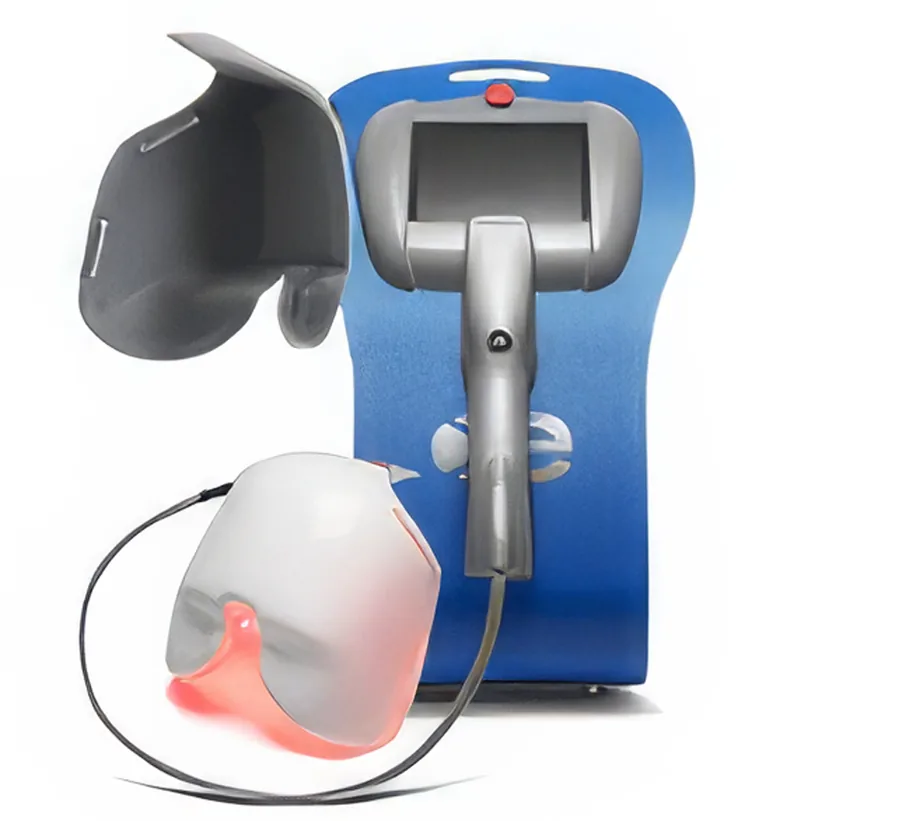 Eye-Light
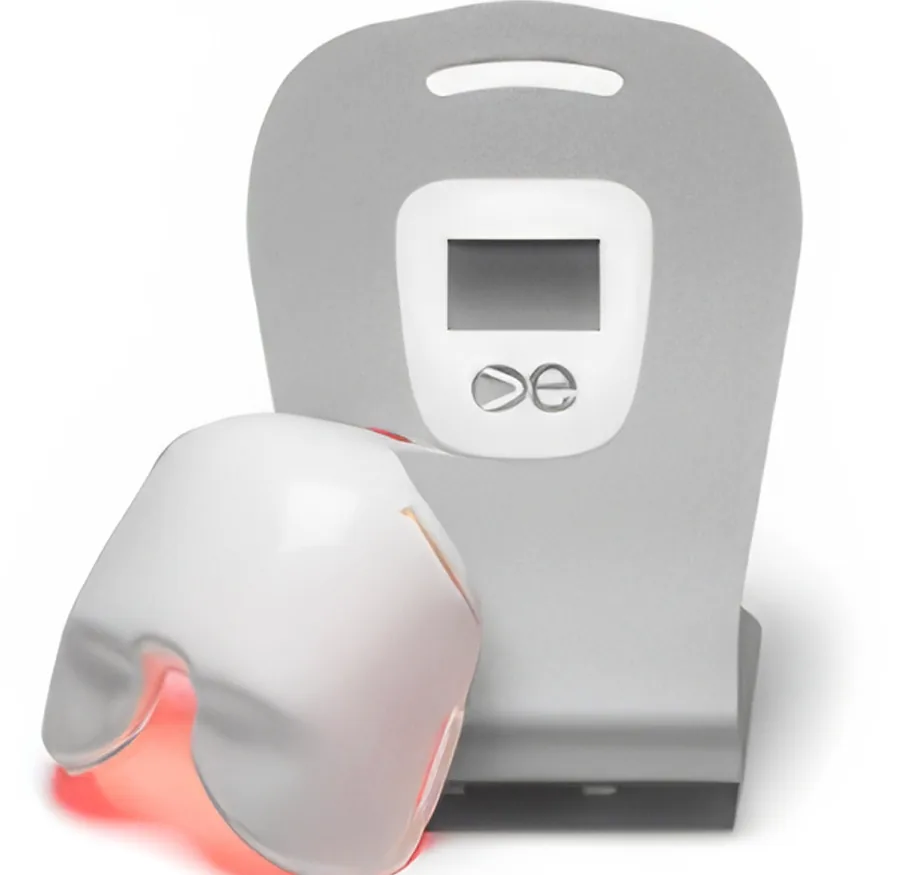 Meibomask
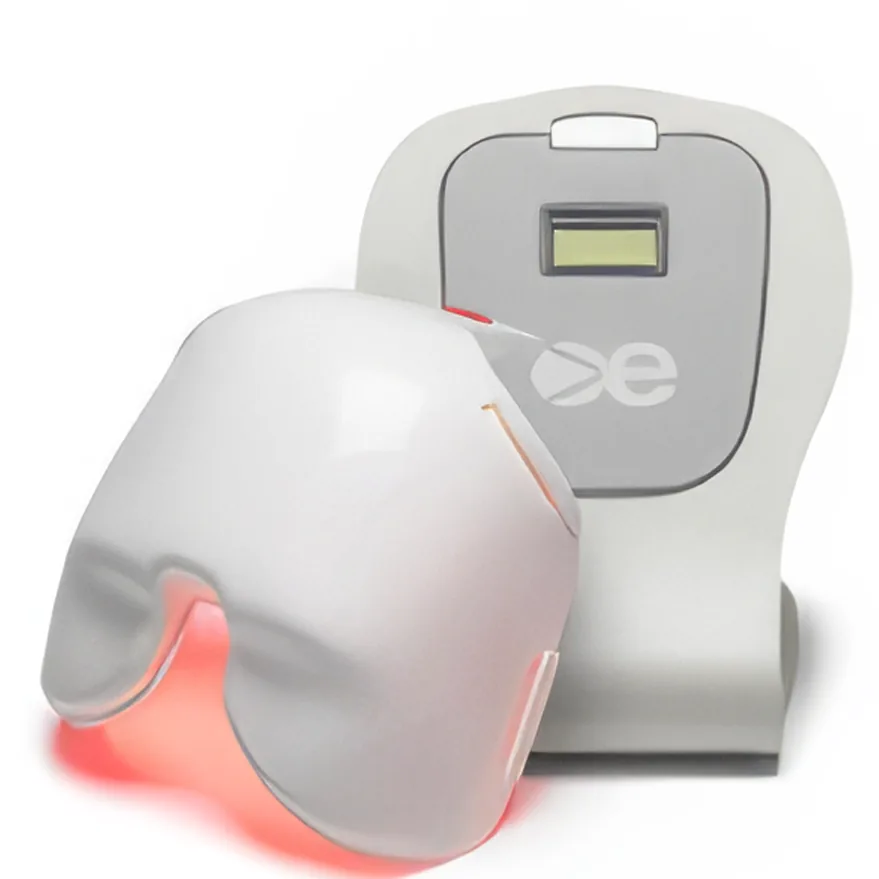 My-mask
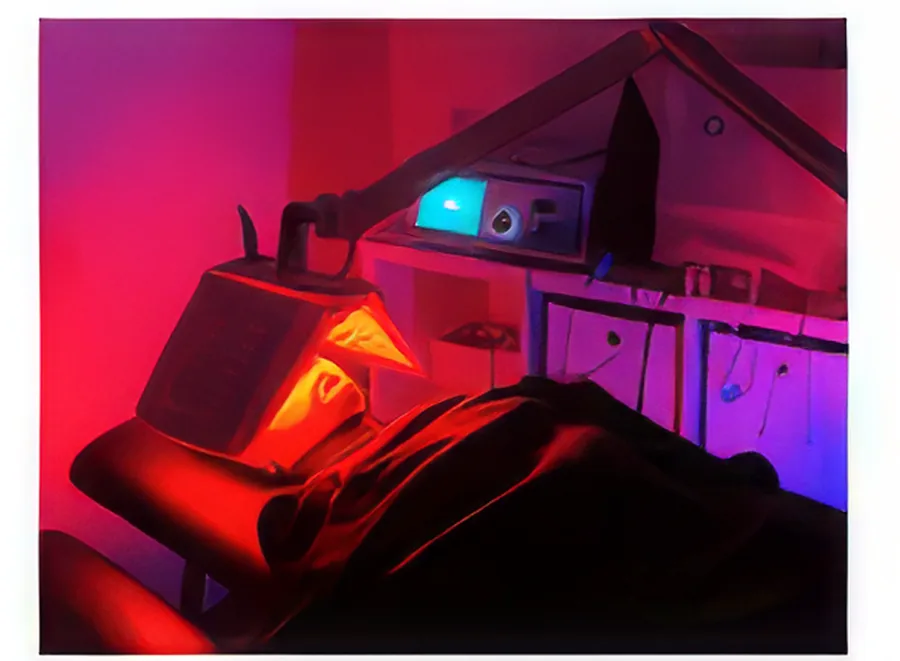 IR PBM
PBM within a multimodal strategy
The value of PBM lies in its ability to add a non-invasive cellular and inflammatory modulation component to the therapeutic strategy.
A patient with DED may simultaneously present with:
- Gland obstruction
- Altered meibum
- Vascular inflammation
- Epithelial stress
- Tear-film instability
- Cellular dysfunction
No single technology addresses all of these mechanisms.
PBM may therefore be combined with other treatments according to the predominant abnormalities identified during the diagnostic assessment.
Accurate DiagnosisIdentification of Pathophysiological MechanismsCellular Modulation with PBM When IndicatedRational Combination with Other Therapies
Clinical take-home message
Photobiomodulation provides a non-invasive method of influencing cellular metabolism and inflammatory signaling through controlled light exposure.
Its mechanism is fundamentally different from IPL, thermal therapies, or mechanical gland treatment and therefore provides a complementary therapeutic option within the Interventional Dry Eye Concept.
PBM should not be viewed as a universal stand-alone therapy, but as a cellular-modulation component of a personalized multimodal strategy.
Selected WavelengthsCellular PhotobiomodulationMetabolic and Inflammatory ModulationMultimodal Dry Eye Treatment